Braces are a popular orthodontic treatment used to straighten teeth and improve smiles. Many people choose dental braces to fix crowded or crooked teeth. In fact, braces can help both children and adults achieve better teeth alignment. If you are thinking about braces in your area, this guide will help you understand the basics and what to expect.
What Are Braces?
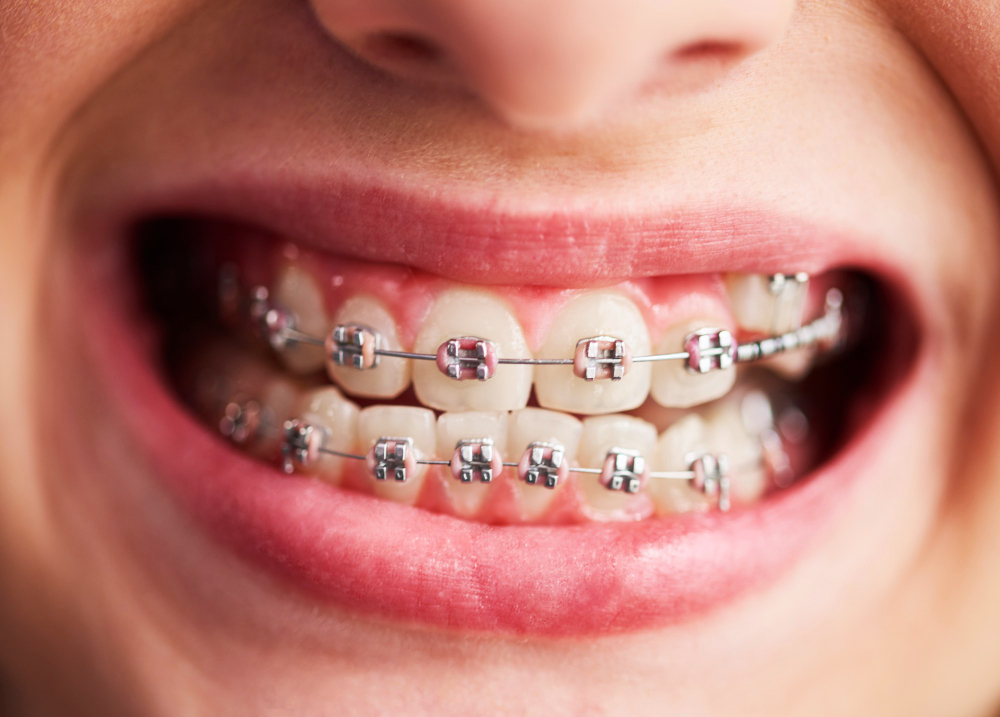
Braces are dental devices that gently move teeth into better positions. Usually, they are made of metal, ceramic, or clear materials. Dentists or orthodontists use braces to fix problems like crooked teeth, gaps, or bite issues. Over time, braces help create a healthier and more attractive smile.
Common Reasons for Getting Braces
Many people get braces for different reasons. For example, some want to fix crowded teeth, while others need to close gaps. Here are some common reasons for braces:
In addition, braces can help prevent future dental issues. Straight teeth are easier to clean and less likely to cause problems later.
How Braces Work
Braces use gentle, steady pressure to move teeth over time. First, the dentist attaches brackets to your teeth. Next, a wire connects the brackets. As the wire is tightened, it slowly shifts your teeth into the right place. Because this process takes time, most people wear braces for one to three years. Regular visits to the orthodontist help track progress and make adjustments.
Types of Braces
Today, there are several types of braces to choose from. Each type has its own benefits. Here are the main options:
Because each type has pros and cons, your dentist can help you decide which is best for you.
The Braces Procedure: What to Expect
Getting braces usually involves several steps. First, your dentist or orthodontist will examine your teeth and take X-rays. Then, they will discuss the best treatment plan for you. Here is what you can expect:
Although the process may seem long, each step is important for the best results.
Care and Maintenance Tips
Proper braces care is important for a healthy mouth. With good habits, you can avoid problems like cavities or gum disease. Here are some tips:
Because braces can trap food, keeping your mouth clean is extra important.
Potential Risks and Side Effects
Most people have a good experience with braces. However, there are some risks to consider. For example, you may feel mild pain or discomfort after adjustments. Sometimes, braces can cause mouth sores or irritation. In rare cases, teeth may move back if you do not wear your retainer. To reduce risks, always follow your dentist’s advice and care instructions.
Benefits of Braces
Braces offer many benefits beyond a better smile. For instance, straight teeth are easier to clean, which lowers the risk of cavities and gum disease. Also, braces can fix bite problems, making it easier to chew and speak. Over time, orthodontic treatment can boost your confidence and improve your overall dental health.
Frequently Asked Questions About Braces
For more information, you can visit trusted sources like the American Association of Orthodontists or the CDC.
If you are thinking about braces, consult a dental specialist for personalized advice about braces and orthodontic treatment.